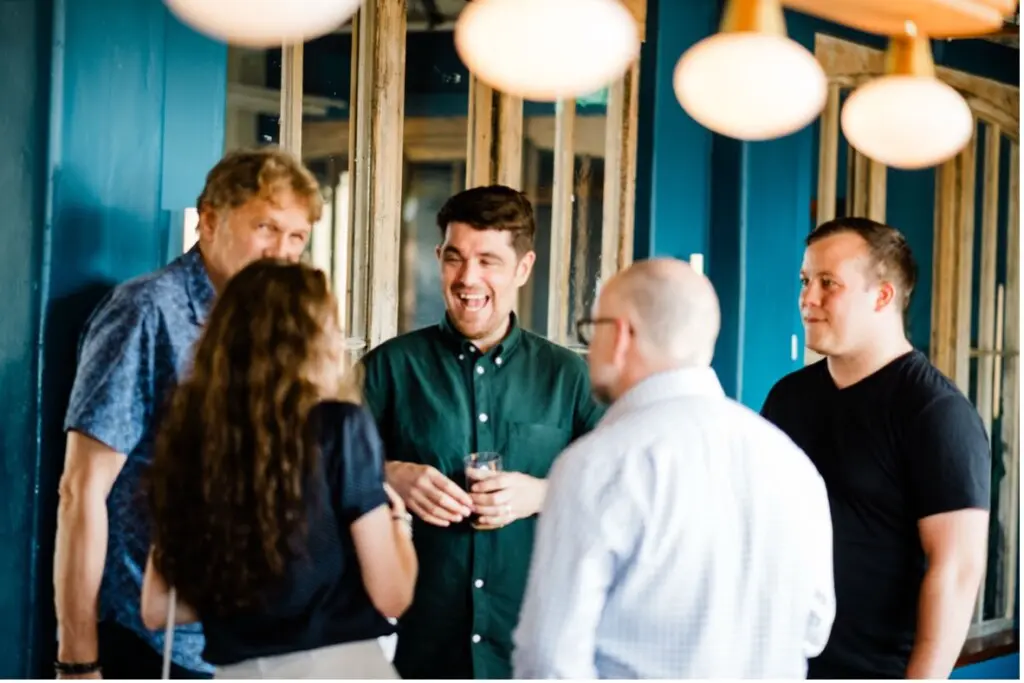
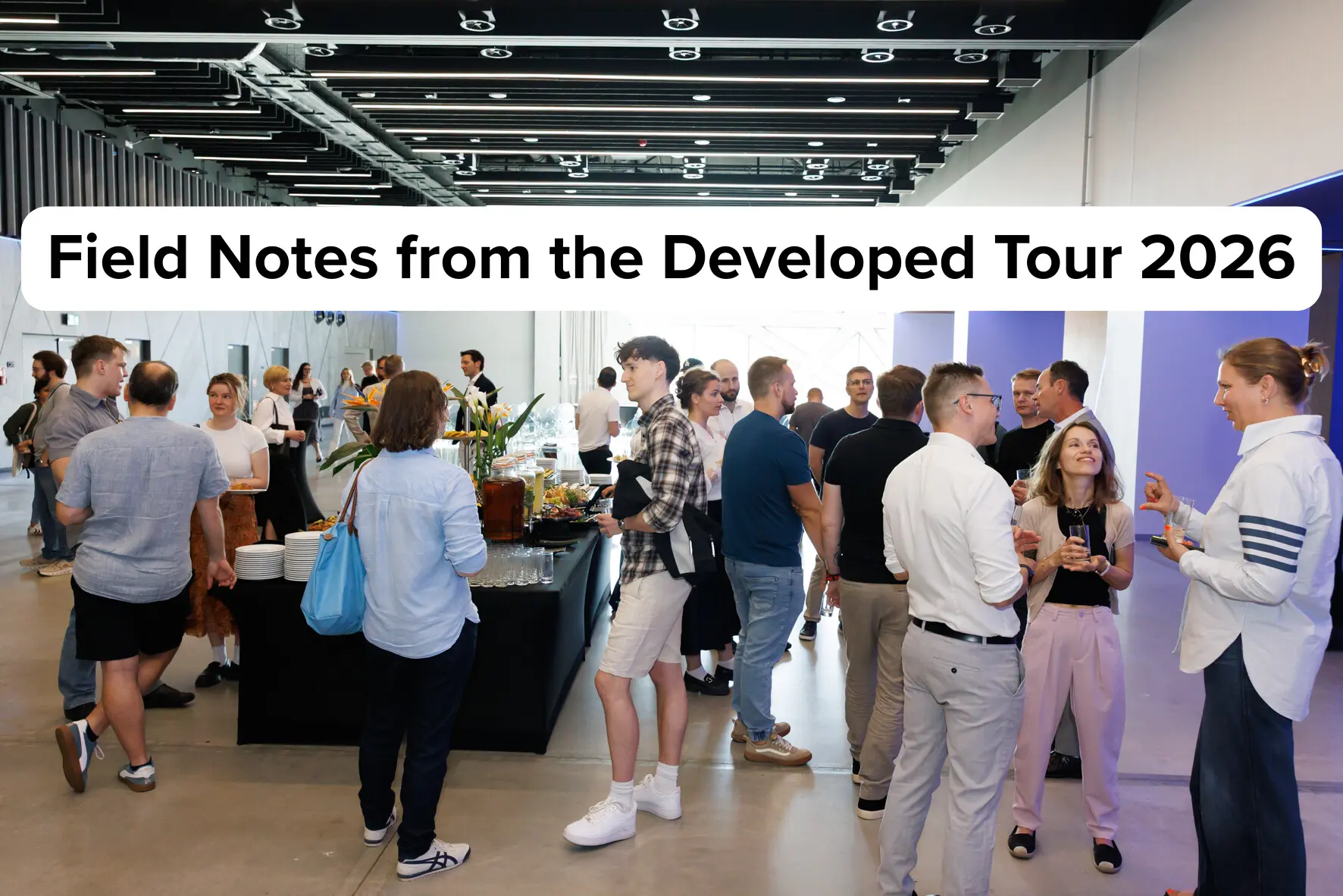
From 18 May to 18 June, ACT hit the road traveling across Europe for our Developed Tour, a month-long trek to sit down with the people building the digital economy: founders, scaleups, investors, and policymakers. We got to spend real time with our members and the wider ecosystem, hear what’s on their minds, and walk away with a clearer picture of what’s helping and what’s creating friction for startups, technology firms, and their teams.
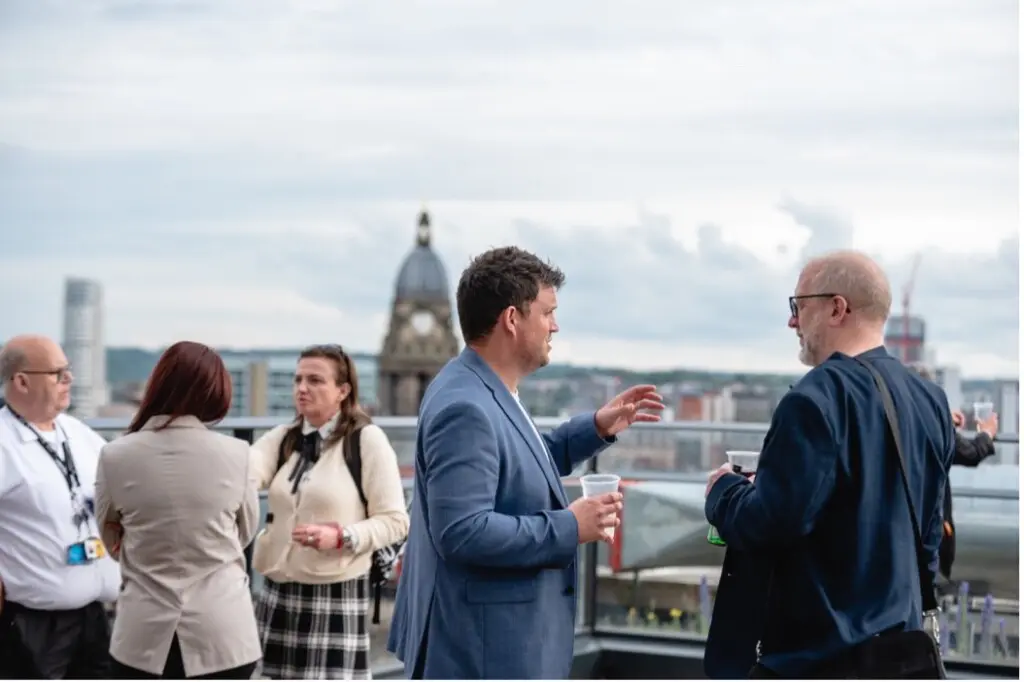
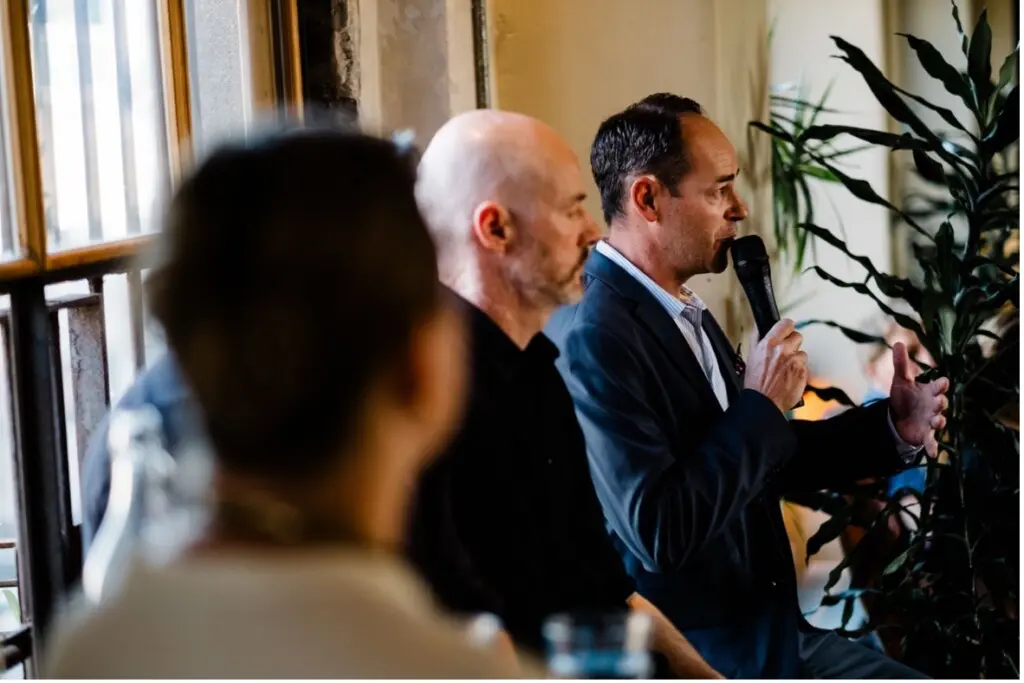
Between networking events, community dinners, panels, and roundtables, the tour was full of great conversations, new ideas, and a reminder of just how strong this community is.
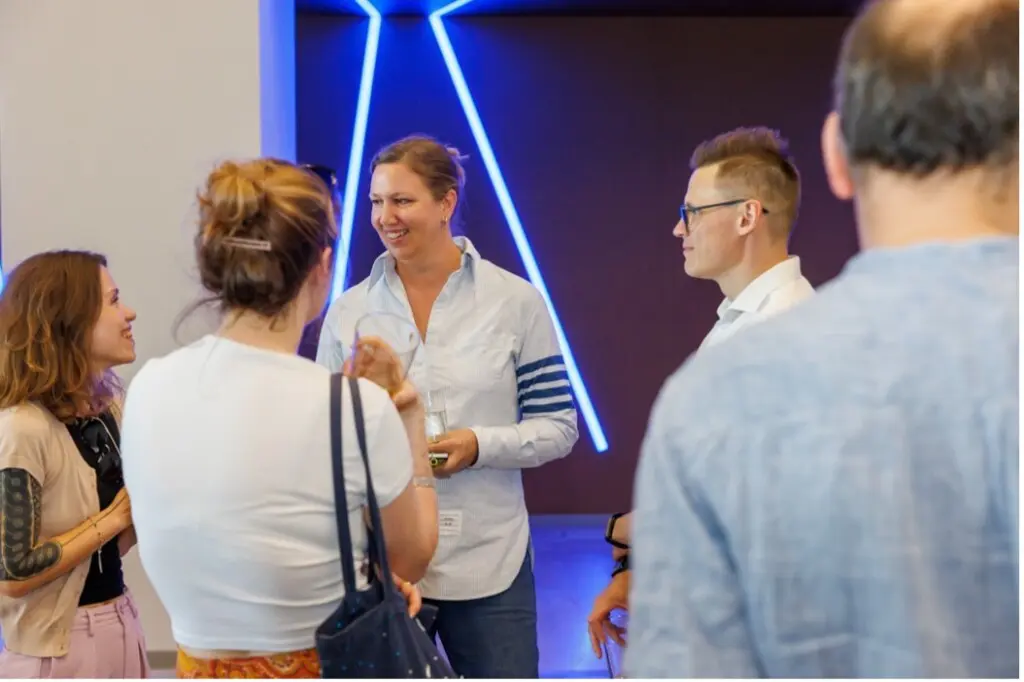
The idea behind the Developed Tour is simple: put technology startups, independent developers, and innovators in the same room and let them talk honestly about what’s working, what’s not, and what a better regulatory environment would actually look like for a startup trying to grow.
Every stop was built around community first. Some were casual, connection-driven get-togethers; others gave us room to dig into what’s shifting in the funding environment, what’s slowing growth down, and where policy is creating friction. The goal at every stop was the same: listen to what founders and developers are dealing with right now, and turn that into a sharper, more practical case for the policies that help startups invest, compete, and grow.
We wrapped the tour, having hosted 16 events in 12 cities, over five weeks: Munich, Vilnius, Warsaw, Dublin, Belfast, Glasgow, Manchester, London, Milton Keynes, Leeds, Durham, and Newcastle.
At every stop on this year’s Developed Tour, a few themes came up again and again:
Regulatory simplification. Founders building in the EU need it to be easier to scale across Member States. Right now, a patchwork of regulations across all 27 makes it hard for small teams. It isn’t just founders in the EU looking for regulatory simplification. In the UK, we heard that the regulatory landscape in the EU makes breaking into that market all the more complex, and founders don’t want to see the same regulatory confusion in the UK. Rules built with giants in mind end up gatekeeping the people with the least available resources to handle the paperwork. That’s why it is critical that startups and founders remain engaged in policy discussions locally and globally.
Local community. Every stop reinforced the same thing: founders are looking for community, and when innovators come together, local economies are better for it. A strong local ecosystem usually starts with one courageous, connected leader, someone who knows firsthand what it takes to scale a business and makes a point of bringing others along. It’s easier to build alongside people you can trade lessons with than to figure it out alone.
Global community. It’s never been easier for people to collaborate across borders. Hire local talent to build for a global market, or global talent to build for a local one. The barriers to working together around the world continue to decrease, and people are ready to take advantage of it. But knowing where and how to find community at a global scale can still be elusive. It is important that founders and startups of all sizes and stages have access to global conferences and networking opportunities, and that we keep the barrier to entry lower for small businesses.
Global expansion. Founders are already thinking past their home market. In Dublin, we heard questions about scaling into Latin America; in Warsaw, Brazilian founders are building for European customers; and in the UK, startups raised questions around funding opportunities in the United States and UAE. Building digital increasingly means building global. It’s time for policy to reflect that.
AI: startups vs. giants. AI came up constantly, but rarely in the way headlines frame it. Small teams aren’t trying to out-build the handful of AI giants; instead, they’re using AI to get their own solutions to market faster than ever. For most founders, it’s a speed advantage, not an arms race. AI regulation should enable solo founders and small teams to leverage the existing technology, not punish them for it.
Funding. Access to funding came up at every stop, and founders were clear it takes more than revenue to unlock it. It takes community, networking, and knowing which grants exist and how to reach them. If access doesn’t get easier, the UK and EU will struggle to compete on a global level.
Thank you to everyone who partnered with us, who spoke at our events, showed up, helped spread the word, and shared their experiences with us. Thanks especially to our members. This tour doesn’t happen without you. What we heard on the Developed Tour will directly shape how we advocate for startups and scaleups across Europe going forward.