
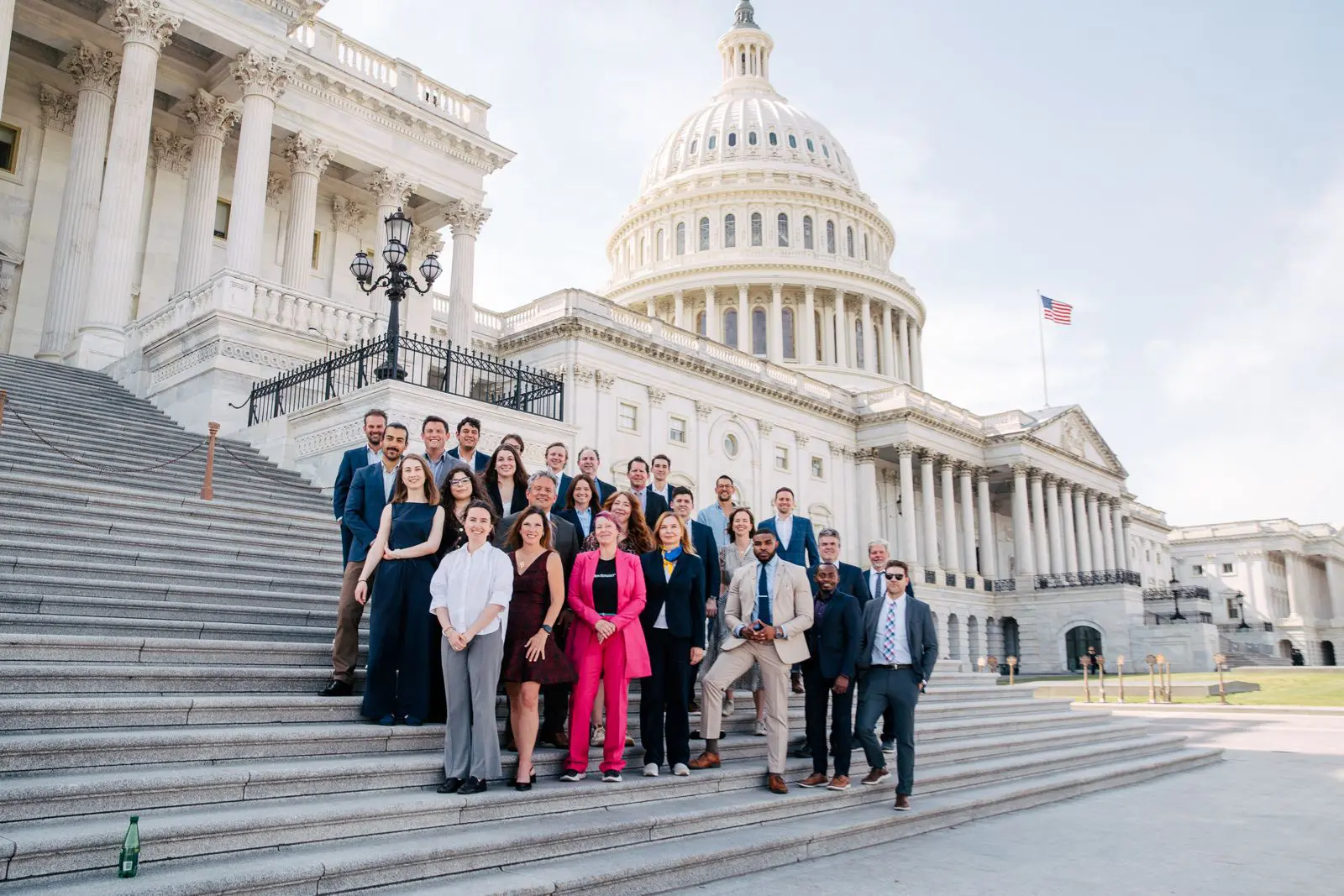
ACT’s Annual Global App Economy Conferences (GAECs) bring our startup and tech members together for three days of founder-to-founder networking and direct engagement with policymakers. GAECs are the culmination of what we do at ACT, bringing our three pillars together in one event that fosters Community, provides resources and Education, and creates an opportunity for our startup, scaleup, and small business members to engage directly in Advocacy.
Throughout the year, ACT hosts three GAECs: one in the EU, one in the UK, and one in the United States. Each event kicks off with networking and a shared meal on the first night, education and discussion about key and timely tech issues throughout the second day, followed by two days of policy meetings with key decision-makers and regulators. We also host receptions with government officials and their staff, providing additional opportunities for our members to share their stories. This year, our U.S. members closed out our final GAEC of the year with an action-packed week in D.C.
On Sunday, May 3, more than 45 member companies made their way to Washington, D.C., quickly filling the hotel bar with laughter and reunions. This is ACT’s home turf, and it showed. The room held members who have been part of this community for two decades alongside founders attending their first GAEC. By the time we walked to dinner, no one was a stranger. Connections formed before anyone sat down to dinner, and the meal that kicked off the week set the tone for everything that followed: founders in one room, comparing notes, passing along lessons, and building the trust that gives weight to the advocacy work ahead.

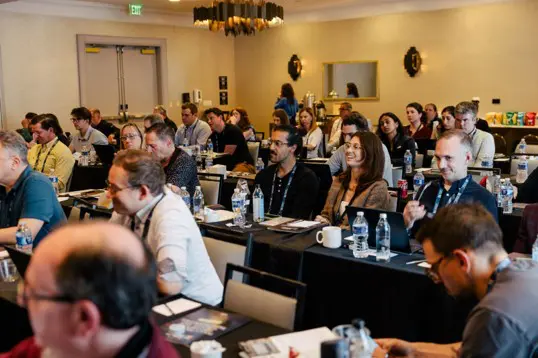
Over the following days, these conversations moved into offices across Washington, starting with Briefing Day. Briefing Day is where it all comes together. For ACT, it’s a valuable chance to hear directly from a wide range of members at once and pressure-test how policy is actually landing for the people running small tech companies. For members, it’s a working session to dig into the details with us, sharpen real-world examples, and solidify the stories they carry into their meetings.
This year, much of that conversation centered on privacy and online safety, AI, and competition rules. Members worked through how current age verification proposals would shift the liability and compliance burden onto small app developers rather than the social media platforms and adult content sites the legislation is meant to address. However, Briefing Day wasn’t only about the hurdles. Our community also took stock of recent wins, like the restoration of Section 174, which lets software developers fully deduct their R&D costs annually again. And through it all, there was real camaraderie in the room, a sense that progress like this comes step by step, and that every win moves the ball forward for the entire startup community.
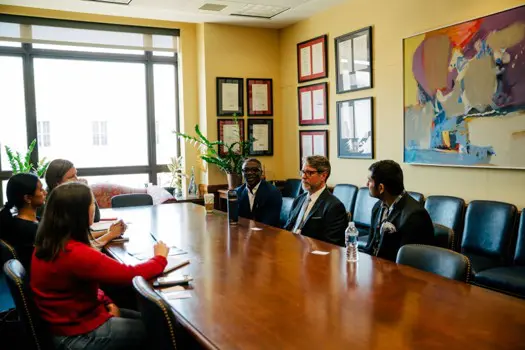
Ready to continue that work, our members hit the ground, carrying their stories into nearly 90 meetings over two packed days. Day three belonged to the Hill, where members met with Senate and House offices, with leadership in both chambers, and with key committees. Artificial intelligence dominated, both the pace at which members are building with it and the harder question of how to build responsibly. That evening, members continued these conversations surrounding AI, age verification, and privacy with Hill staff and reporters at our reception in the Rayburn House Office Building. It was a chance for founders to share their stories with the people closest to the decisions, over conversation rather than across a meeting table.
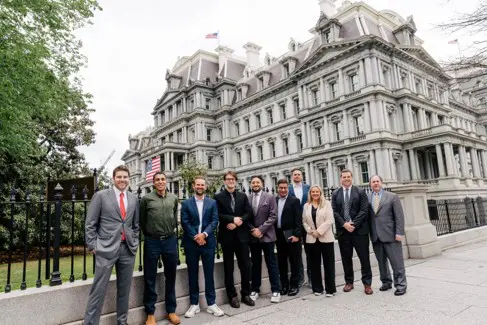
Day four was Agency Day. Members spent it zipping across town for conversations with the agencies that write and enforce regulatory rules. Despite a busy day, our members attended a Global Startup Policy Lunch where they sat down with more than 20 international embassy representatives, a reminder that the questions facing small tech, from AI rules to data flows, rarely stop at one country’s borders. Agency Day is a favorite for a reason: it puts small companies in the room while the rules are still being written, not after.
On the final night, members came together over dinner to close out the week. Talk turned to what comes next, the collaborations already taking shape and the plans to stay in touch, a reminder that the relationships built at GAEC outlast the week itself.
Moving forward
Our time in Washington carried a sense of momentum. Members reflected on the progress of the past year while looking ahead to the questions still taking shape: whether the U.S. lands a clear federal approach to AI rather than leaving it to the states, how Congress handles child safety online, and whether a comprehensive federal privacy law finally arrives.
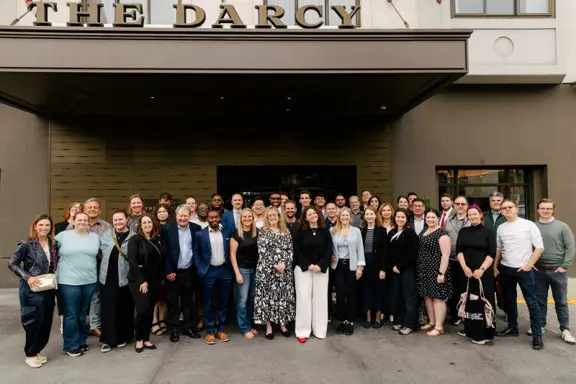
We are deeply grateful to our members who contributed their time, shared their experiences, and did the work of engaging with policymakers on behalf of the broader startup community. We are equally thankful to the Members of Congress, their staff, and the agencies who met with our members and showed real curiosity about the realities of building a small tech company in the U.S. today.
Our members left Washington knowing their voices matter, and that their stories help policymakers understand how legislation lands on the companies building the U.S. digital economy. With Washington, ACT’s 2026 GAECs came full circle. From Brussels to London to D.C., founders carried the same message into three very different capitals: that small tech deserves policy built for the way it really works. The conferences are over for the year. The work is not. See you again next year!