














No Warrant? No Cellphone.

Association for Competitive Technology
Today the Supreme Court ruled in Riley v. California that law enforcement must get a warrant before accessing the data on your cellphone or smartphone. This unanimous decision by the Court is an important step in protecting the privacy of mobile device users.
Since 1914, the Supreme Court has recognized an exemption to the Fourth Amendment warrant requirements known as “search incident to arrest.” This exemption said that an arresting officer could search the things you had on your person and within your reach.
While today’s opinion does not overturn the previous cases expanding “search incident to arrest,” it says that exemption to warrant requirements does not apply to cellphones. The only time when such a search may be allowed would be if the police are facing an emergency, such as locating a kidnapped child or foiling a terrorist plot. But even then a judge would evaluate whether or not that search was justified.
As I can personally attest, my smartphone is my life. It holds all my photos, my music, my personal and professional emails and texts, my calendar, my medical information, and the scores of my favorite sports teams (Go Cats! Go Dores! Go Wombles!). Not only that but I have apps that connect to various cloud services so I can access any memo I have ever written in just a few clicks. Basically, you could learn more about me by going through my cell phone than by going through my house.
The Court recognizes that this is the way we all use our phones: as a repository for all our personal data. And Fourth Amendment was written to protect such information in a time when “the reviled ‘general warrants’ and ‘writs of assistance’ of the colonial era… allowed British officers to rummage through homes in an unrestrained search for evidence of criminal activity.” (pg. 27) The American Revolution was fought, in part, to provide citizens with protection from these searches.
While amazing technological advances have allowed all that information to fit in our pockets, it does not make it any less worthy of protection. The Court is clear about their boundaries for a search of my phone – “get a warrant.”
Now the Court has ruled, it’s time to look to legislation to extend this protection to all online data.
Share this post
Resources
More action
Resources to understand more on the topic
FTC Taxes Apps: Privacy Changes Result in Quarter Billion Dollar Cost to Education App Developers
ACT RESPONDS TO FTC REPORT ON “MOBILE APPS FOR KIDS”
COPPA – IMPROVED FOR BIG COMPANIES, NOT FOR EDUCATION STARTUPS
Attention: The Interwebs Are Not Private
What do we do about Privacy and Security? (according to the next President…and me)
Keep reading
Others on this topic
Behavioral Marketing – Like or Hate it, but Regulate it?
Association for Competitive Technology
TPS – It’s the Business Rules (Not the DRM) Stupid!
Association for Competitive Technology
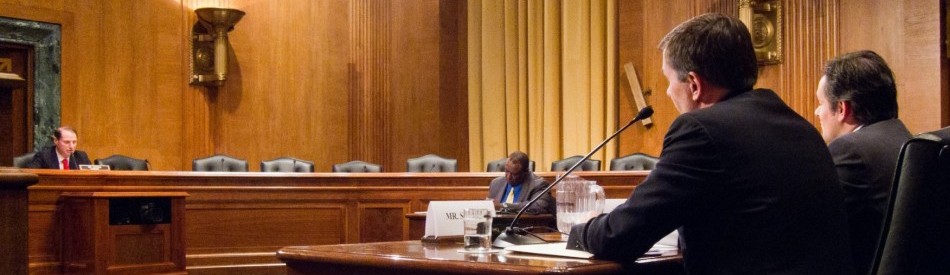
ACT Chairman Mike Sax Testifies before Congress on Trade
Association for Competitive Technology
Get in touch
Contact ACT
Whether you're a technology company looking to grow, or a policymaker seeking insight, we're here to help.
Get in touch to learn more about our work, explore membership, or connect with our team.
United States
United Kingdom
European Union